Ten Relatable Moments Every New Runner Meets
Relief at red lights, a too-fast first kilometre and mysterious shoelaces—gentle fixes for beginner moments.
日本語版を読む →
What to know before you start
- Separate the scene, cause and safe response
- Use BPM and pace as examples, never compulsory targets
- Complete order, volume and offline preparation before moving
- Beat Changer is an optional small tempo comparison for a familiar Apple Music track
Guide
Use the audience, preparation, steps, and common mistakes as a working checklist.
In the first weeks of running, wondering can occupy more time than moving. A red light feels welcome, seeing someone you know instantly improves form, and a watch showing 168 offers no clue whether that is “good.” These are common stages, not proof that a runner is doing everything wrong.
Ten relatable moments become one small action for the next outing.
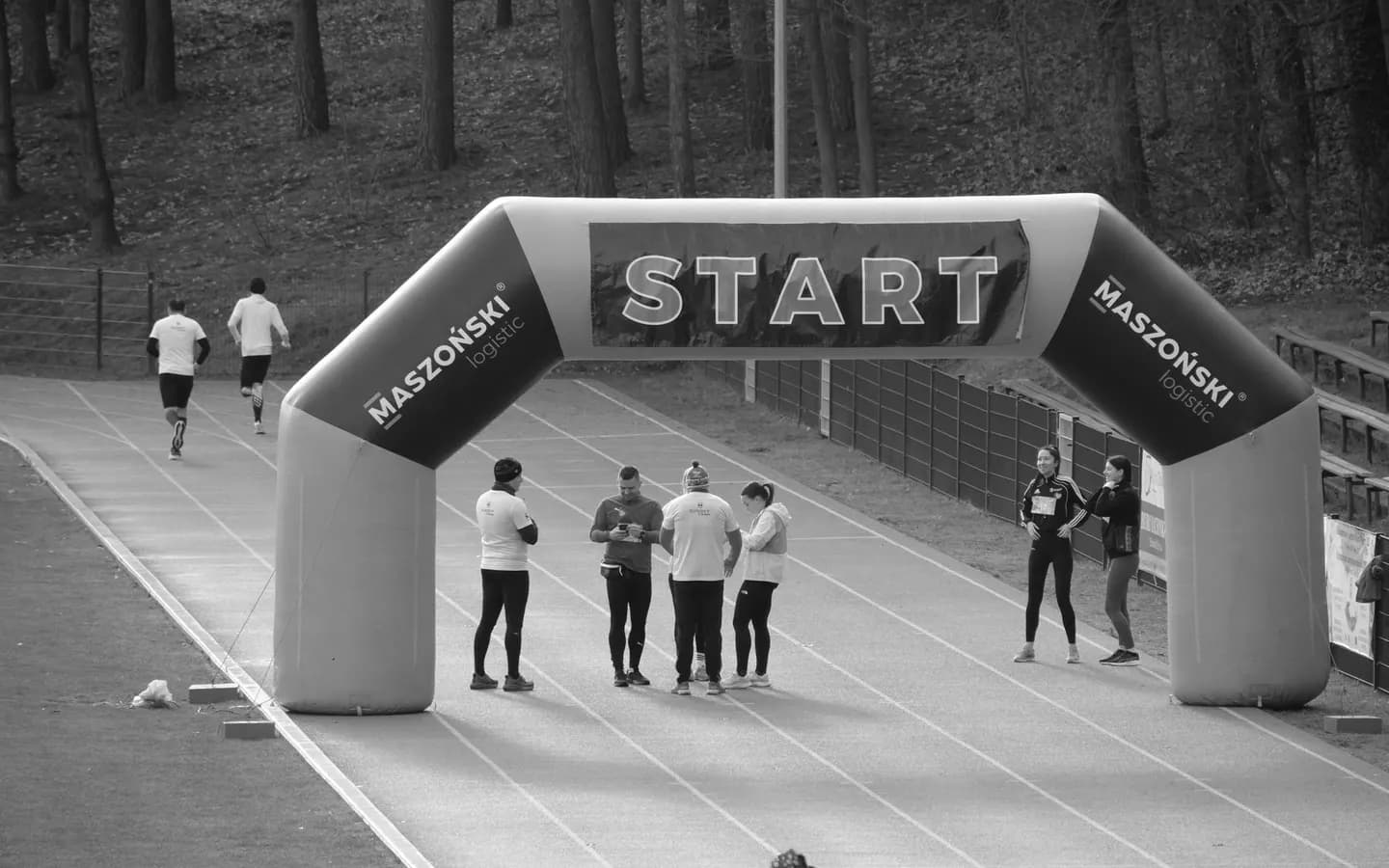
1. The first kilometre belongs to another person
A planned seven-minute kilometre becomes 6:10 because fresh legs and mood are ahead of breathing. Let the first five minutes feel almost too easy. Conversational breathing matters more than early time.
2. A red light feels like good news
Relief at stopping is not laziness. Run-walk is a valid way to manage load. After green, use twenty to thirty seconds to settle rather than launching.
3. The watch says 168, but what does that mean?
If 168 is cadence, it is both-foot steps per minute. Do not judge it alone. Compare several easy runs. A manual check counts landings for thirty seconds and doubles them. Values such as 150, 160, 170 and 180 change with body, pace and hills.
4. Laces, keys and earbuds all become noticeable
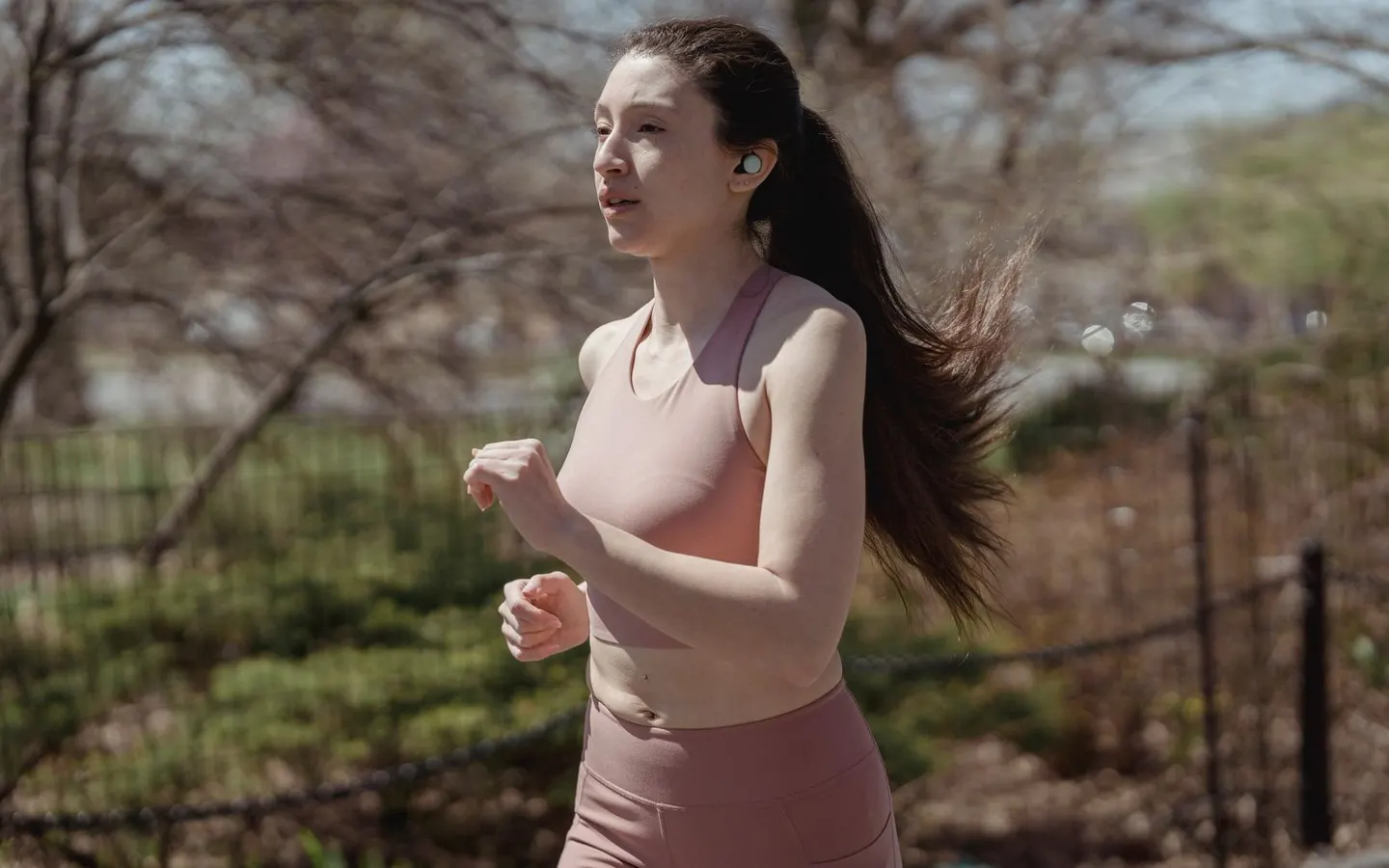
Create a thirty-second routine: double-knot, secure the key, shake-test the earbuds. Reduce moving objects before buying more equipment.
5. Being passed creates an accidental race
Another runner’s session is unknown. Give space and return to your own breathing. Holding the plan is the achievement.
6. A hill receives the same pace target as flat ground
Trying to preserve six-minute kilometres sends breathing sharply upward. Keep effort steadier, shorten stride and do not reclaim all lost time on the descent.
7. Shuffle starts with the hardest song
Fix the first five to eight minutes. Put two warm-up tracks first and allow shuffle only later.
8. Rain makes every clothing decision uncertain
Even light rain changes vision, footing and controls. Shorten the first wet run and notice cap brim, waterproof pocket and slippery metal. Cancel for lightning or severe wind.
9. A missed run becomes debt
Distance is not owed. Return to the planned short session rather than doubling. If pain or illness caused the break, recovery outranks mileage.
10. Post-run confidence creates an impossible next plan
“Five kilometres every day” may not fit ordinary life. Repeating today’s duration is a valid progression.
This is an example, not a prescription. Stop for pain, severe breathlessness or dizziness and seek qualified care where appropriate.
The first three steps with music
- Choose a safe ten-minute route and three calm tracks.
- Use original tempo for the first track and check breathing.
- If it rushes the feet, change either order or tempo on the next run.
Apple Music listeners can use Beat Changer from wanway to compare a change of about five BPM. Do not jump to 180 or operate controls while moving. Keep the test short and reversible.
11. Forgetting to stop the tracker creates an accidental personal best
If recording continues onto a train or bicycle, the map suddenly gains an impossible straight line. It is not a fitness breakthrough. Choose one finish landmark—such as the park gate—and stop while walking there. If the app cannot trim the activity, simply exclude that record from comparisons.
12. Seeing someone else's run makes a rest day feel wrong
A friend's 10K post reveals nothing about their training history, health, purpose, or next-day fatigue. Judge a rest day by sleep, food, and whether discomfort settles, not by missing distance.
Turn relatable moments into a three-item personal checklist: one action before, one during, and one after. For example, secure the key; do not chase the opening song; stop the watch. Funny mistakes are useful notes. Pain and unusual symptoms deserve a different, more cautious response.
Frequently asked questions
Is it a problem if I cannot run naturally to the beat?
No. If breathing or form becomes forced, do not follow the track. Change order, volume, song or use silence.
Should I change tracks while running?
Avoid screen operation. Stop fully in a safe place, or better, prepare an order that needs no input.
How much should I change in Beat Changer?
There is no universal amount. Establish the original first, compare about five BPM, and return whenever movement feels forced.
References
- Get running with Couch to 5K ↗NHS · government · accessed 2026-07-26
Official beginner run/walk programme used to check that gradual progression and rest-day framing are described conservatively.
We prioritize official, academic, and primary sources and keep quotations to the minimum needed.