What Is Running Cadence? A Beginner’s Guide to Steps per Minute
Understand the cadence number on your watch, measure it without special gear, and use it without treating 180 as a rule.
日本語版を読む →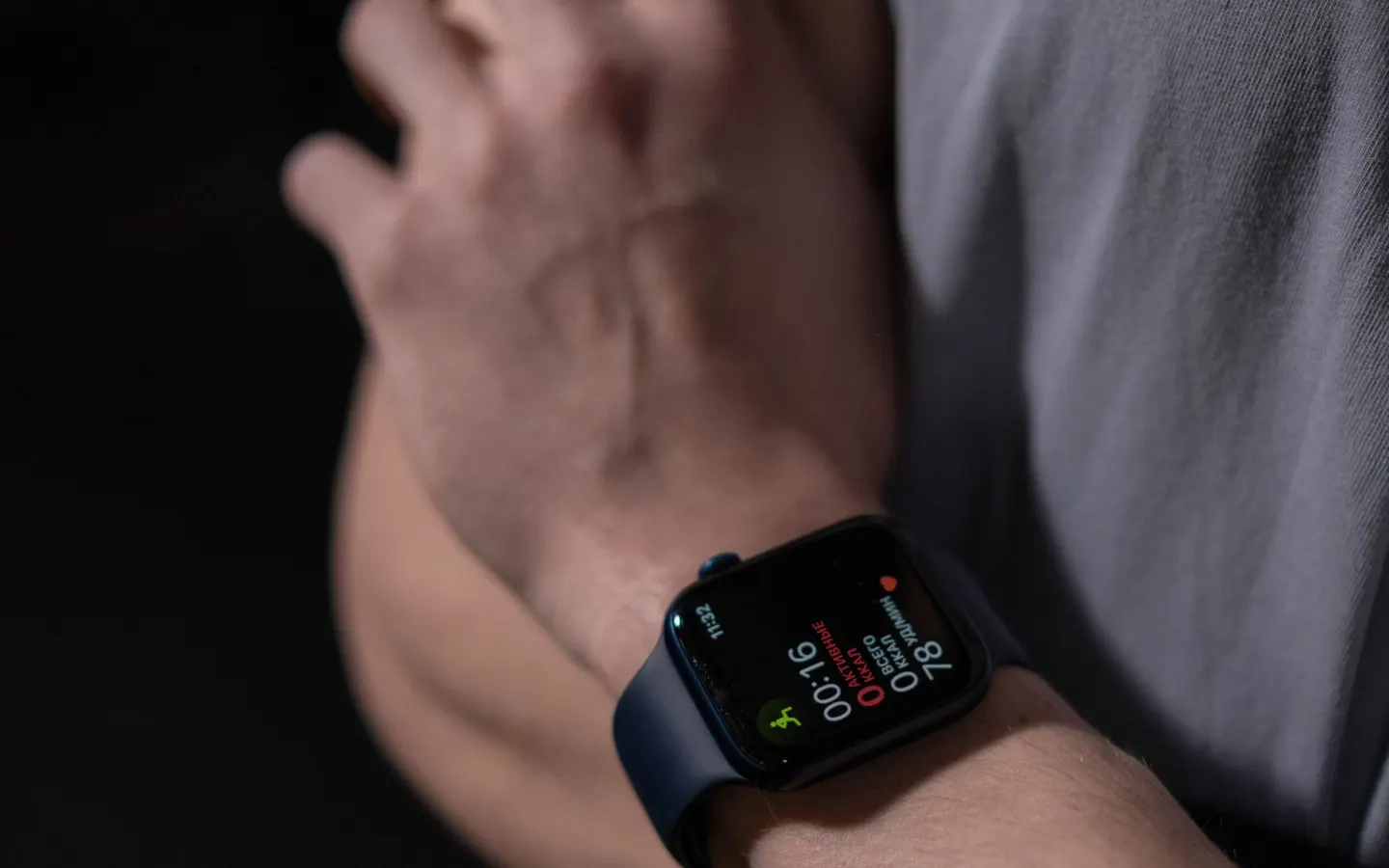
What to know before you start
- Cadence counts both feet over one minute. A watch reading of 168 means roughly 168 steps per minute.
- A cadence of 180 is not a universal target. Pace, hills, fatigue, and individual movement all affect the number.
- Measure two or three normal runs before changing anything, then compare similar conditions.
Guide
Use the audience, preparation, steps, and common mistakes as a working checklist.
For
- Runners trying to understand a watch cadence metric
- Beginners who want a simple manual measurement
You will need
- A timer for a 15–60 second count
- A safe, level section of a run
Common mistakes
- Confusing one-foot counts with total steps
- Comparing cadence from very different paces
Your watch says “cadence 168,” but is that good, low, or something you should change? Cadence is simply the number of steps you take in one minute, counting both feet.
It is not a score for running form. The number shifts with pace—the time used to cover a kilometre or mile—along with hills, stops, fatigue, and the way an individual moves. Before trying to change it, look at two or three easy runs completed at a comfortable, conversational effort.
Cadence is a clue about change, not a grade
Compare cadence on similar sections at a similar effort. A large drop late in a run may reflect fatigue or a change in terrain. A sudden rise paired with more effort may mean you are taking hurried, uncomfortable steps. Neither observation proves a problem on its own.
Read cadence alongside pace, elevation, heart rate when available, and perceived effort. Comparing your easy run with another runner’s race screenshot rarely produces useful information.
You can measure cadence with a watch or a 30-second count
A running watch can estimate cadence from wrist movement or a foot sensor. Review a stable section rather than an average distorted by stoplights. If you do not use a watch, count both-foot landings for 30 seconds and multiply by two. Counting one foot only requires multiplying by four.
Choose a flat, low-traffic area where counting will not take attention away from safety. Measure after you have warmed up rather than during the first minute, and record easy and faster sessions separately.
You do not have to force your steps toward 180
The number 180 became popular through observations of accomplished runners moving at race pace. It was never a minimum that every person must maintain on every run. The same runner will usually show different cadence at warm-up pace, on hills, and during a race.
Our article on the 180 BPM idea explains how musical beats per minute relate to this famous number. A naturally lower value is not automatically evidence of poor technique.
Make a small change and keep the run easy
Start with a clear reason, such as observing whether a slightly quicker rhythm reduces obvious overreaching in front of the body. Test roughly two or three percent above your current rate for 30–60 seconds, then return to normal. Music or a metronome can provide the cue.
Stop if your shoulders tense, your stride becomes unnaturally short, your breathing changes sharply, or pain appears. Cadence is only one part of movement; strength, mobility, training load, footwear, and recovery matter too.
Your own pattern matters more than someone else’s number
You do not need to evaluate cadence on every run. A short check on a familiar route once a week can reveal trends without turning the metric into a source of pressure. Pair it with our BPM guide if you want to use music as a gentle rhythm cue.
This is general information, not an individualized treatment or injury assessment. Stop running and seek qualified help when pain or concerning symptoms persist.
Estimate cadence with a 30-second count
Once settled into an easy pace on flat ground, count the landings of one foot for 30 seconds and multiply by four. Forty-two right-foot contacts gives an estimate of 168 total steps per minute. Keep breathing steady so the act of counting does not speed you up.
Watch readings are useful but can vary with device, fit, arm movement, and pause detection. Measure the same section three times and work with a range rather than a single reading.
The same runner might record 162 spm on an easy run, 170 during a controlled faster section, 174 uphill, and 166 downhill. Speed changes through both step rate and stride length; raising cadence alone does not guarantee faster running.
A five-percent increase from 160 is 168 spm. Compare only 30–60 seconds at first, noting landing sound, breathing, and calf tension. Research shows that changing step rate can affect biomechanics, while evidence does not support a universal injury or performance promise.
Apple Music listeners can use Beat Changer from wanway to compare a favorite song at its original tempo and two small increases. Record both measured cadence and perceived comfort. Music is a cue for comparison, not an instrument that should lock your feet to one number.
Three steps for your next run
- Run easily for ten minutes on flat ground and count one-foot contacts for 30 seconds three times.
- Record the range with breathing and foot sound instead of chasing the highest reading.
- Next time, compare only about ±3–5 spm briefly and return to normal when tension appears.
Frequently asked questions
How do I count running cadence?
Count both-foot landings for a fixed period and scale to one minute. If you count one foot only, double the count before scaling.
Should every runner target 180 spm?
No. Establish your own range at a comparable pace first, and only test small changes when you have a clear reason.
References
- What is the Effect of Changing Running Step Rate on Injury, Performance and Biomechanics? A Systematic Review and Meta-analysis ↗PubMed / Sports Medicine - Open · academic · accessed 2026-07-26
Step-rate changes can affect biomechanics, but the review found insufficient evidence for conclusive injury or performance effects.
We prioritize official, academic, and primary sources and keep quotations to the minimum needed.