What BPM Feels Best for Running? Start with Your Own Rhythm
Learn what BPM means and test running music against your usual rhythm without chasing one supposedly perfect number.
日本語版を読む →
What to know before you start
- BPM describes musical speed. Learning the number for a song you already enjoy is a useful first step.
- There is no single ideal running BPM. Begin close to the rhythm of your ordinary easy runs.
- Judge a track by breathing, tension, and how naturally you finish—not pace alone.
Guide
Use the audience, preparation, steps, and common mistakes as a working checklist.
For
- Runners choosing among BPM-labelled playlists
- Anyone who feels pulled out of form by music
You will need
- An observed easy-run cadence range
- A safe flat route and three to six test tracks
Common mistakes
- Treating 180 BPM as a universal target
- Running harder than planned to stay on the beat
A running playlist marked “160 BPM” or “180 BPM” can look like a ready-made answer. BPM simply describes how many musical beats occur in a minute. A higher number usually means a faster song; it does not automatically mean an easier or better run. For What BPM Feels Best for Running? Start with Your Own Rhythm, take one comparison condition from this point into the next run.
Your comfortable rhythm also changes with pace—the time used to cover a kilometre or mile—along with hills, fatigue, and the kind of day you are having. Start with one familiar song and notice whether it lets you settle in or makes your feet hurry. Apply this evidence specifically to the next What BPM Feels Best for Running? Start with Your Own Rhythm field test.
Music tempo and foot rhythm are related, but they are not the same
BPM means beats per minute in music. Running cadence is the number of steps you take per minute, usually counting both feet. A 170 BPM track and a cadence of 170 spm line up when you take one step on every beat. That is only one possible relationship. For What BPM Feels Best for Running? Start with Your Own Rhythm, take one comparison condition from this point into the next run.
You can also run to an 85 BPM song and place two steps within each beat. Some runners follow a drum accent rather than every beat. The clearest pulse is often more useful than the BPM printed by an analysis tool, which may interpret the same song at half or double time. Apply this evidence specifically to the next What BPM Feels Best for Running? Start with Your Own Rhythm field test.
| Measure | What it counts | Practical use |
|---|---|---|
| BPM | Musical beats per minute | Compare track tempo |
| Cadence | Combined steps per minute | Observe running under similar conditions |
Begin with the rhythm you already use
Run for 10–15 minutes at an effort where you could speak in short sentences. On a stable, flat section, check cadence with a watch or count both-foot landings for 30 seconds and multiply by two. Repeat this on two or three ordinary runs rather than relying on one unusually good or difficult day. You may find this useful note to revise the next What BPM Feels Best for Running? Start with Your Own Rhythm setup rather than making a universal rule.
If your easy-running cadence tends to sit around 164 spm, start with music near 160–168 BPM. Jumping directly to 180 can make you shorten your stride abruptly, tense your shoulders, or run harder than planned. For What BPM Feels Best for Running? Start with Your Own Rhythm, take one comparison condition from this point into the next run.
An easy run and a harder session may need different music
For an easy run, music near your familiar rhythm—or music that simply feels calm—usually works better than an aggressive high-tempo set. For a steady run, prioritize a clear, consistent drum pattern. For short faster intervals, an uptempo track can cue quick foot turnover, but it should never override breathing, terrain, or pain. Apply this evidence specifically to the next What BPM Feels Best for Running? Start with Your Own Rhythm field test.
Judge a playlist by more than pace. Notice whether your jaw and shoulders stay relaxed, your footsteps remain quiet, and you finish with the intended effort. “I could run naturally” is a more useful outcome than “I stayed on every beat.” You may find this useful note to revise the next What BPM Feels Best for Running? Start with Your Own Rhythm setup rather than making a universal rule.
Try three songs on a familiar route
- Find your usual cadence range on two or three easy runs.
- Choose three songs close to that range and three a few BPM above or below.
- Test them on the same low-risk route at the same perceived effort.
- Note breathing, tension, footstrike sound, and enjoyment.
- Remove tracks that pull you into an effort you did not plan. For What BPM Feels Best for Running? Start with Your Own Rhythm, take one comparison condition from this point into the next run.
Weather, hills, and fatigue will change the result. Give a song more than one trial before deciding, and stop matching it when your movement feels forced.
Similar BPM numbers can still feel very different
A playlist made entirely of intense tracks can become tiring even when every song has the “right” BPM. Build a warm-up, steady middle, optional lift, and cool-down. Our running playlist guide explains that structure. Apply this evidence specifically to the next What BPM Feels Best for Running? Start with Your Own Rhythm field test.
If the famous number 180 is influencing your choice, read Is 180 BPM right for every runner?. Numbers are most valuable when they help you understand your current running—not when they replace it. You may find this useful note to revise the next What BPM Feels Best for Running? Start with Your Own Rhythm setup rather than making a universal rule.
Build personal BPM ranges from real runs
BPM cannot directly calculate pace. Speed reflects both cadence and stride length, and runners do not always take one step per musical beat. Start with observed running instead. For What BPM Feels Best for Running? Start with Your Own Rhythm, take one comparison condition from this point into the next run.
Use six short tests: measure cadence three times without music on the same flat route; try one song about 5 BPM below the average, one nearby, and one about 5 above; rate breathing, foot sound, shoulders, stride, and planned pace; then retain only conditions that feel reproducible on another day. Apply this evidence specifically to the next What BPM Feels Best for Running? Start with Your Own Rhythm field test.
Database BPM alone is insufficient. An intro may hide the pulse, or a chorus may trigger an unintended surge. Add listening notes such as “clear beat” or “hard-driving chorus” beside the number. You may find this useful note to revise the next What BPM Feels Best for Running? Start with Your Own Rhythm setup rather than making a universal rule.
For Apple Music listeners, Beat Changer from wanway can create small comparisons around the original. Use it on one favorite song that feels slightly off rather than speeding up an entire playlist. It is a testing aid for finding a natural range, not a reason to make your body follow an app. For What BPM Feels Best for Running? Start with Your Own Rhythm, take one comparison condition from this point into the next run.
People searching for “What BPM Feels Best for Running? Start with Your Own Rhythm” rarely need a list alone. They need a way to decide what fits their pace, route, time of day and music service without creating extra distraction. This guide focuses on this practical goal: separate purpose, conditions and review. It connects research, preparation, a repeatable test and a clear way to reverse a poor choice.
The short answer is that no setup becomes correct after one run. Treat search results as candidates, test one variable on a familiar route and record comfort, awareness and interaction cost. A number is evidence for a decision; it is not an instruction your body must obey. Apply this evidence specifically to the next What BPM Feels Best for Running? Start with Your Own Rhythm field test.
A map for exploring the whole topic
The starting point is simple: separate purpose, conditions and review. Run normally for 10–20 minutes and record conversational effort, foot rhythm, volume and how often you touch the device. On the next run, alter one variable only. If music, route and pace all change, the result cannot explain what helped. You may find this useful note to revise the next What BPM Feels Best for Running? Start with Your Own Rhythm setup rather than making a universal rule.
High-demand topics attract universal answers. Real runs are less tidy. Fatigue, hills, temperature, traffic and the session goal change what feels appropriate. This guide therefore prioritizes a decision sequence over a permanent ranking. Catalogues, prices, features and event rules change, so verify any time-sensitive detail in the primary sources below. For What BPM Feels Best for Running? Start with Your Own Rhythm, take one comparison condition from this point into the next run.
1. Write one success condition
Use a sentence such as “finish an easy 30-minute run without touching the phone,” “compare a steady rhythm,” or “stay aware on a dark route.” Trying to maximize speed, motivation, safety and novelty at once produces a vague result. Apply this evidence specifically to the next What BPM Feels Best for Running? Start with Your Own Rhythm field test.
2. Hold the comparison steady
Use the same route, a similar time of day and comparable fatigue for two attempts. Keep the present setup on the first run and use the candidate on the second. Immediately record effort on a ten-point scale, interactions and locations where attention drifted. You may find this useful note to revise the next What BPM Feels Best for Running? Start with Your Own Rhythm setup rather than making a universal rule.
3. Make the experiment reversible
Save the old playlist, watch screen and volume before changing anything. A reversible test can be small and frequent. A setup that feels worse can simply be removed without turning the run into a failed training day. For What BPM Feels Best for Running? Start with Your Own Rhythm, take one comparison condition from this point into the next run.
Worked example: compare it on a 30-minute easy run
Use a familiar weekday route. Spend the first five minutes checking your body with silence or low-stimulation audio, test the candidate for 20 minutes, then finish five minutes without increasing pace. The point is to separate purpose, conditions and review. Note where the choice felt natural, where it hurried you and where attention had to return to the environment. Apply this evidence specifically to the next What BPM Feels Best for Running? Start with Your Own Rhythm field test.
Repeat once before deciding. If both attempts create more interaction or make music override breathing, the candidate does not fit this purpose. If the setup disappears into the background while effort stays appropriate, it may be worth saving. You may find this useful note to revise the next What BPM Feels Best for Running? Start with Your Own Rhythm setup rather than making a universal rule.
Pre-run checklist
- [ ] Define one purpose for today
- [ ] Check traffic, surface and weather
- [ ] Set notifications, volume, order and battery before moving
- [ ] Keep the previous setup available
- [ ] Choose a route where a 10–20 minute test can end safely
- [ ] Reserve one minute for a post-run note Apply this evidence specifically to the next What BPM Feels Best for Running? Start with Your Own Rhythm field test.
If two or more boxes remain open, postpone the experiment. At night, in rain or on an unfamiliar route, visibility and environmental sound outrank content. Running without audio remains a valid planned option. You may find this useful note to revise the next What BPM Feels Best for Running? Start with Your Own Rhythm setup rather than making a universal rule.
Common mistakes and how to correct them
The first mistake is taking a popular number or ranking directly into a long session. Others include continuing through discomfort because a recommendation “should” work, changing several settings together and repeatedly handling a screen while moving. For What BPM Feels Best for Running? Start with Your Own Rhythm, take one comparison condition from this point into the next run.
Shorten the trial, change one condition and stop somewhere safe before interacting. End the session for pain, dizziness, unusual breathlessness or loss of environmental awareness. Training information here is general education, not individualized medical advice. Apply this evidence specifically to the next What BPM Feels Best for Running? Start with Your Own Rhythm field test.
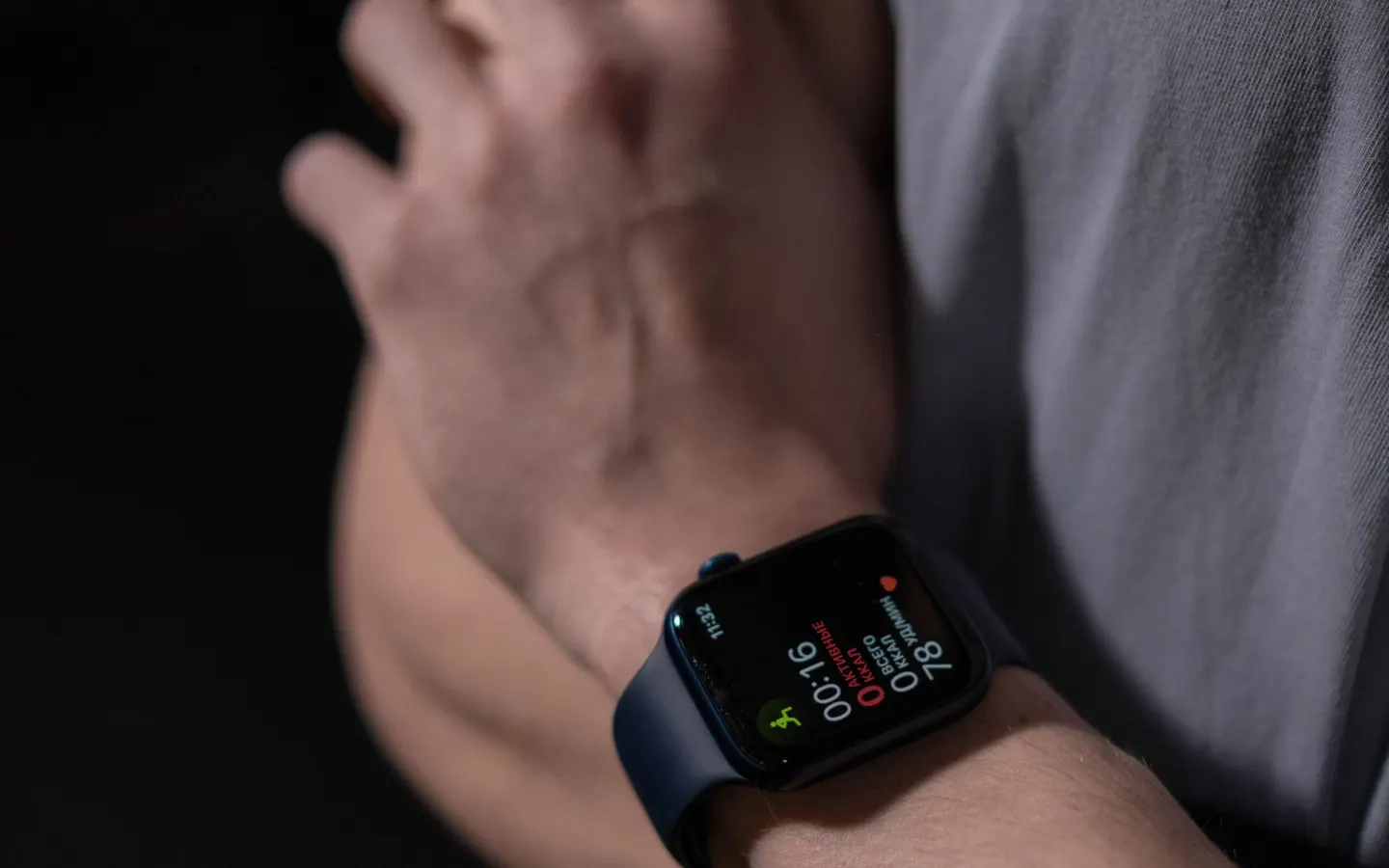
Where Beat Changer can fit
Beat Changer is an Apple Music app provided by wanway, the team behind Running Music Lab. It is relevant only when the decision above involves comparing small tempo changes in songs you already like. It is not a song ranking and cannot make running form correct automatically. You may find this useful note to revise the next What BPM Feels Best for Running? Start with Your Own Rhythm setup rather than making a universal rule.
Check Apple Music requirements and current compatibility, compare the original with a small change on a safe route, and avoid screen interaction while moving. There is no reason to alter a song that already feels natural. For What BPM Feels Best for Running? Start with Your Own Rhythm, take one comparison condition from this point into the next run.
Parent guide and related reading
Return to the pillar guide to compare all subtopics. Useful next steps include:
- 160 BPM Running: A Practical Starting Point
- 170-bpm-running
- is-180-bpm-for-everyone
- BPM vs Cadence: Music Tempo and Step Rate Explained Apply this evidence specifically to the next What BPM Feels Best for Running? Start with Your Own Rhythm field test.
Do not let one article make the whole decision. Use the pillar for context, a child guide for the exact situation and your own repeated run for the final choice. You may find this useful note to revise the next What BPM Feels Best for Running? Start with Your Own Rhythm setup rather than making a universal rule.
Frequently asked questions
Is What BPM Feels Best for Running? Start with Your Own Rhythm suitable for beginners?
Yes, when used as a cautious experiment rather than a universal prescription. Change one condition at a time on a short, familiar route and stop for pain or unusual distress.
What should I record first?
Record distance, duration, perceived effort, environmental awareness and any moment when the music or equipment became distracting. That makes the next adjustment explainable.
Should I use the same setup on every run?
No. Recovery runs, steady sessions, long runs, weather and time of day create different needs. Save a small setup for each purpose and compare like with like.
What is the first safety priority when running with audio?
It is important to still detect traffic, other path users and official instructions. Lower or stop audio where risk rises, and follow local and event rules.
Do I need Beat Changer?
No. It is an optional tool for Apple Music users who want to compare small tempo changes in songs they already like. Leave the music unchanged when it already feels natural.
References
- Effects of step rate manipulation on joint mechanics ↗Medicine & Science in Sports & Exercise / PubMed · academic · accessed 2026-07-26
Features, rules and availability can change; check the linked primary source before acting.
- A review of running cadence research ↗National Library of Medicine · academic · accessed 2026-07-26
Features, rules and availability can change; check the linked primary source before acting.
- How to find your optimal running cadence ↗Nike · official · accessed 2026-07-26
Features, rules and availability can change; check the linked primary source before acting.
- Effects of music in exercise and sport ↗Psychological Bulletin / PubMed · academic · accessed 2026-07-26
Features, rules and availability can change; check the linked primary source before acting.
- Beat Changer with Music app ↗App Store · official · accessed 2026-07-26
Features, rules and availability can change; check the linked primary source before acting.
We prioritize official, academic, and primary sources and keep quotations to the minimum needed.