
BPM & Pace
What BPM Feels Best for Running? Start with Your Own Rhythm
Learn what BPM means and test running music against your usual rhythm without chasing one supposedly perfect number.
Understand the difference between music BPM, running cadence, and pace, then find a rhythm that feels natural for you.
7 articlesLearn what BPM means and test running music against your usual rhythm without chasing one supposedly perfect number.
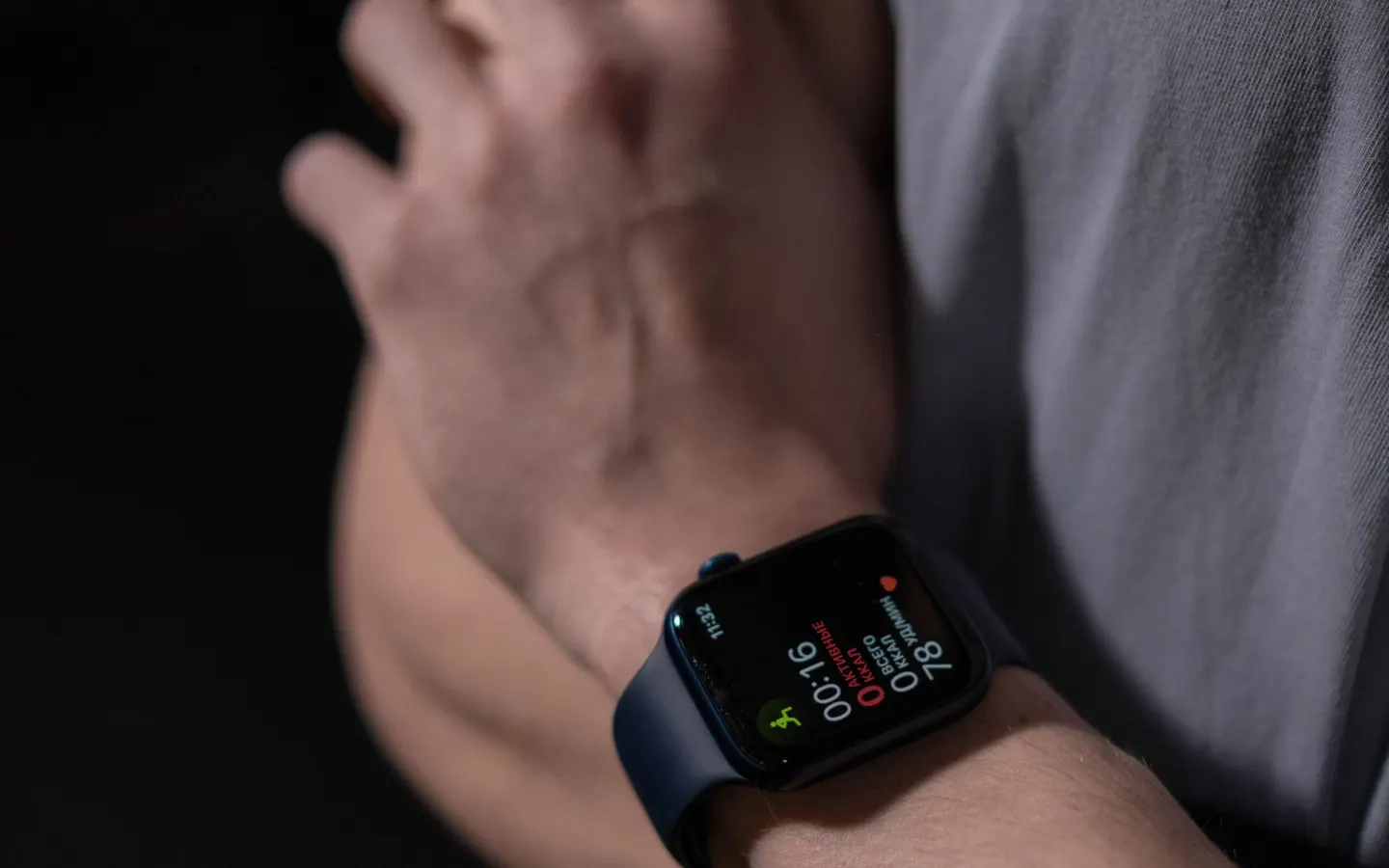
Understand the cadence number on your watch, measure it without special gear, and use it without treating 180 as a rule.

BPM vs Cadence: Music Tempo and Step Rate Explained, explained with a decision table, worked example, safety checklist, FAQs and primary sources.

160 BPM Running: A Practical Starting Point, explained with a decision table, worked example, safety checklist, FAQs and primary sources.
Running BPM for Beginners: Find a Comfortable Range, explained with a decision table, worked example, safety checklist, FAQs and primary sources.
See why 170 BPM appears in running playlists, who may enjoy it, and how to test it during an easy 20-minute run.
Put the famous 180 figure in context and learn how to compare it with your own easy-run rhythm without forcing a sudden change.
160 BPM Running: A Practical Starting Point, explained with a decision table, worked example, safety checklist, FAQs and primary sources.
Running BPM for Beginners: Find a Comfortable Range, explained with a decision table, worked example, safety checklist, FAQs and primary sources.
BPM vs Cadence: Music Tempo and Step Rate Explained, explained with a decision table, worked example, safety checklist, FAQs and primary sources.
Learn what BPM means and test running music against your usual rhythm without chasing one supposedly perfect number.
Understand the cadence number on your watch, measure it without special gear, and use it without treating 180 as a rule.
See why 170 BPM appears in running playlists, who may enjoy it, and how to test it during an easy 20-minute run.
Put the famous 180 figure in context and learn how to compare it with your own easy-run rhythm without forcing a sudden change.