How to Choose Running Headphones for Fit, Awareness, and Rain
Look beyond sound quality and compare running headphones by movement, environmental awareness, weather limits, controls, and battery.
日本語版を読む →
What to know before you start
- Choose for environment, time, and volume—not shape alone.
- Ambient-audio designs do not guarantee safety; conditions come first.
- Test retention, pressure, controls, and the maker's water-resistance terms.
Comparison
Compare criteria, fit, strengths, and limitations before deciding.
Headphones that feel secure at a desk can loosen after ten minutes of running or disappear under wind noise. For running, stable fit and awareness of the route matter as much as sound quality. For How to Choose Running Headphones for Fit, Awareness, and Rain, take one comparison condition from this point into the next run.
Try walking, a gentle hop, and turning your head before deciding. No design guarantees road safety, so choose something you can lower, pause, or remove quickly when the route becomes busy. Apply this evidence specifically to the next How to Choose Running Headphones for Fit, Awareness, and Rain field test.
Start with how much of the ear each design covers
Open-ear speakers sit near the ear without sealing the canal. They can preserve more environmental sound, but traffic and wind may tempt you to increase volume. Sound leakage can also affect people nearby. You may find this useful note to revise the next How to Choose Running Headphones for Fit, Awareness, and Rain setup rather than making a universal rule.
Bone-conduction models transmit vibration around the ear and usually leave the ear canal open. They may work well for spoken audio and awareness, but fit and sound change with placement, and wind can mask detail. For How to Choose Running Headphones for Fit, Awareness, and Rain, take one comparison condition from this point into the next run.
In-ear sealed models often provide stronger bass and isolation. That isolation can hide bicycles, vehicles, and voices. Electronic transparency helps in some conditions but changes with microphone processing, fit, and wind. Apply this evidence specifically to the next How to Choose Running Headphones for Fit, Awareness, and Rain field test.
Walk, hop, and turn your head before buying
A product that feels secure while standing can shift with repeated impact. If possible, try it with glasses, a cap, or sunglasses, then walk, turn your head, and bounce lightly. Check pressure around the ear, temple, and back of the head. You may find this useful note to revise the next How to Choose Running Headphones for Fit, Awareness, and Rain setup rather than making a universal rule.
A tight fit may feel stable for five minutes and become painful after 40. Review return and trial policies before buying when an extended test is not available. For How to Choose Running Headphones for Fit, Awareness, and Rain, take one comparison condition from this point into the next run.
Check whether the rating covers sweat, rain, or neither
An IP rating describes specific test conditions. Sweat, rain, immersion, salt water, and charging while damp are different situations. Read the manufacturer’s allowed use, cleaning instructions, and warranty exclusions. Apply this evidence specifically to the next How to Choose Running Headphones for Fit, Awareness, and Rain field test.
After a run, wipe the device with an appropriate soft cloth and let charging contacts dry fully before returning it to a case.
Pause without looking at a screen
You should be able to pause audio without searching for a tiny touch target. Physical buttons can be easier to locate, although pressing them may move the earpiece. Test the exact control method with gloves if you run in cold weather. You may find this useful note to revise the next How to Choose Running Headphones for Fit, Awareness, and Rain setup rather than making a universal rule.
Connection can change depending on whether a phone is in a waist belt, jacket, or behind the body. If you use watch-only playback, test the watch, app, download, and headphones together on a short, familiar route. For How to Choose Running Headphones for Fit, Awareness, and Rain, take one comparison condition from this point into the next run.
Keep battery for the journey home as well as the run
Published battery life changes with volume, audio mode, temperature, calls, and age. Choose meaningful margin beyond the expected run. On long events, loss of music should never remove your navigation or emergency communication. Apply this evidence specifically to the next How to Choose Running Headphones for Fit, Awareness, and Rain field test.
Before buying, ask whether the device remains comfortable, lets useful environmental sound through at a low volume, meets the manufacturer’s weather conditions, pauses without looking, connects to your actual device, and can be cleaned or repaired. You may find this useful note to revise the next How to Choose Running Headphones for Fit, Awareness, and Rain setup rather than making a universal rule.
Whatever you choose, pair it with the habits in our safer running with music guide.
Choose for the running environment before choosing a shape
No earphone is “safe” by itself. Road layout, time, volume, fit, and how often you touch controls interact.
In daylight, check whether a bicycle bell and rear approach remain audible. At night, lower volume further, choose a visible route, and eliminate screen use. By a windy river, notice whether you compensate by raising volume. In rain, consult the maker's exact water-resistance conditions and inspect controls and charging contacts; sweat, salt water, soap, and age are not interchangeable test conditions. For How to Choose Running Headphones for Fit, Awareness, and Rain, take one comparison condition from this point into the next run.
Before deciding, do a 15-minute fit sequence: walk three minutes, jog five, look over both shoulders, make one short acceleration, and use pause. Check pressure, glasses or hat interference, and sweat-triggered controls—not only whether the earbud falls out. Apply this evidence specifically to the next How to Choose Running Headphones for Fit, Awareness, and Rain field test.
If comparing Apple Music tempo with Beat Changer, make all changes while stopped. The wanway app is optional; ambient awareness and appropriate volume remain more important than any track or feature. You may find this useful note to revise the next How to Choose Running Headphones for Fit, Awareness, and Rain setup rather than making a universal rule.
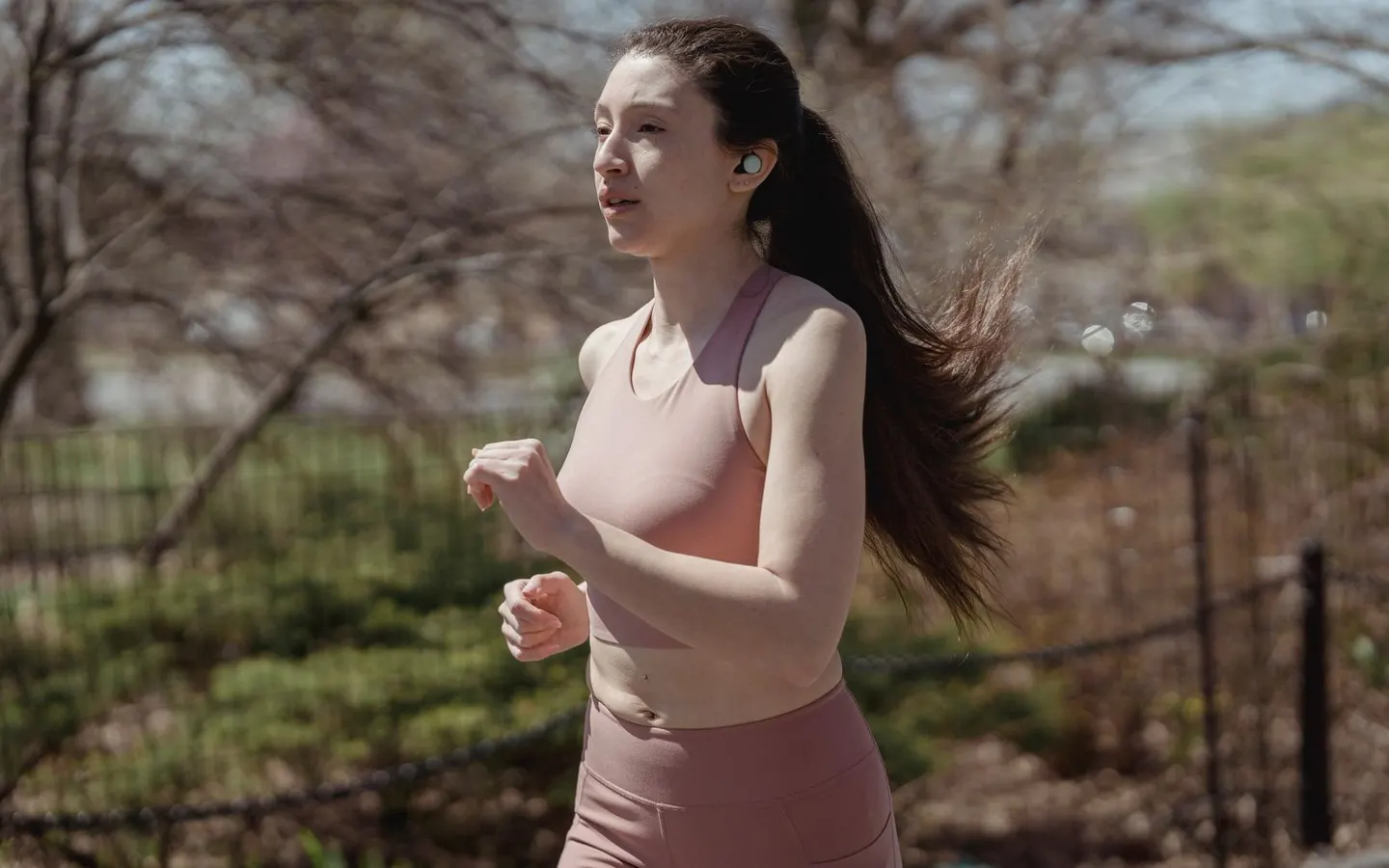
Headphone field-test checklist
- [ ] Fit remains stable while looking over both shoulders
- [ ] Traffic, bells, voices, and marshal instructions remain detectable
- [ ] Pause and volume controls work without repeated screen use
- [ ] Water-resistance terms match the intended conditions
- [ ] Volume stays comfortable when wind and traffic increase
Frequently asked questions
Is How to Choose Running Headphones for Fit, Awareness, and Rain suitable for beginners?
Yes, when used as a cautious experiment rather than a universal prescription. Change one condition at a time on a short, familiar route and stop for pain or unusual distress.
What should I record first?
Record distance, duration, perceived effort, environmental awareness and any moment when the music or equipment became distracting. That makes the next adjustment explainable.
Should I use the same setup on every run?
No. Recovery runs, steady sessions, long runs, weather and time of day create different needs. Save a small setup for each purpose and compare like with like.
What is the first safety priority when running with audio?
It is important to still detect traffic, other path users and official instructions. Lower or stop audio where risk rises, and follow local and event rules.
Do I need Beat Changer?
No. It is an optional tool for Apple Music users who want to compare small tempo changes in songs they already like. Leave the music unchanged when it already feels natural.
References
- Deafness and hearing loss: safe listening ↗World Health Organization · government · accessed 2026-07-26
Features, rules and availability can change; check the linked primary source before acting.
- Pedestrian Safety ↗National Highway Traffic Safety Administration · government · accessed 2026-07-26
Features, rules and availability can change; check the linked primary source before acting.
- Apple Watch User Guide: Workouts ↗Apple Support · official · accessed 2026-07-26
Features, rules and availability can change; check the linked primary source before acting.
- Running dynamics and physiological measurements ↗Garmin Support · official · accessed 2026-07-26
Features, rules and availability can change; check the linked primary source before acting.
- Effects of music in exercise and sport ↗Psychological Bulletin / PubMed · academic · accessed 2026-07-26
Features, rules and availability can change; check the linked primary source before acting.
We prioritize official, academic, and primary sources and keep quotations to the minimum needed.