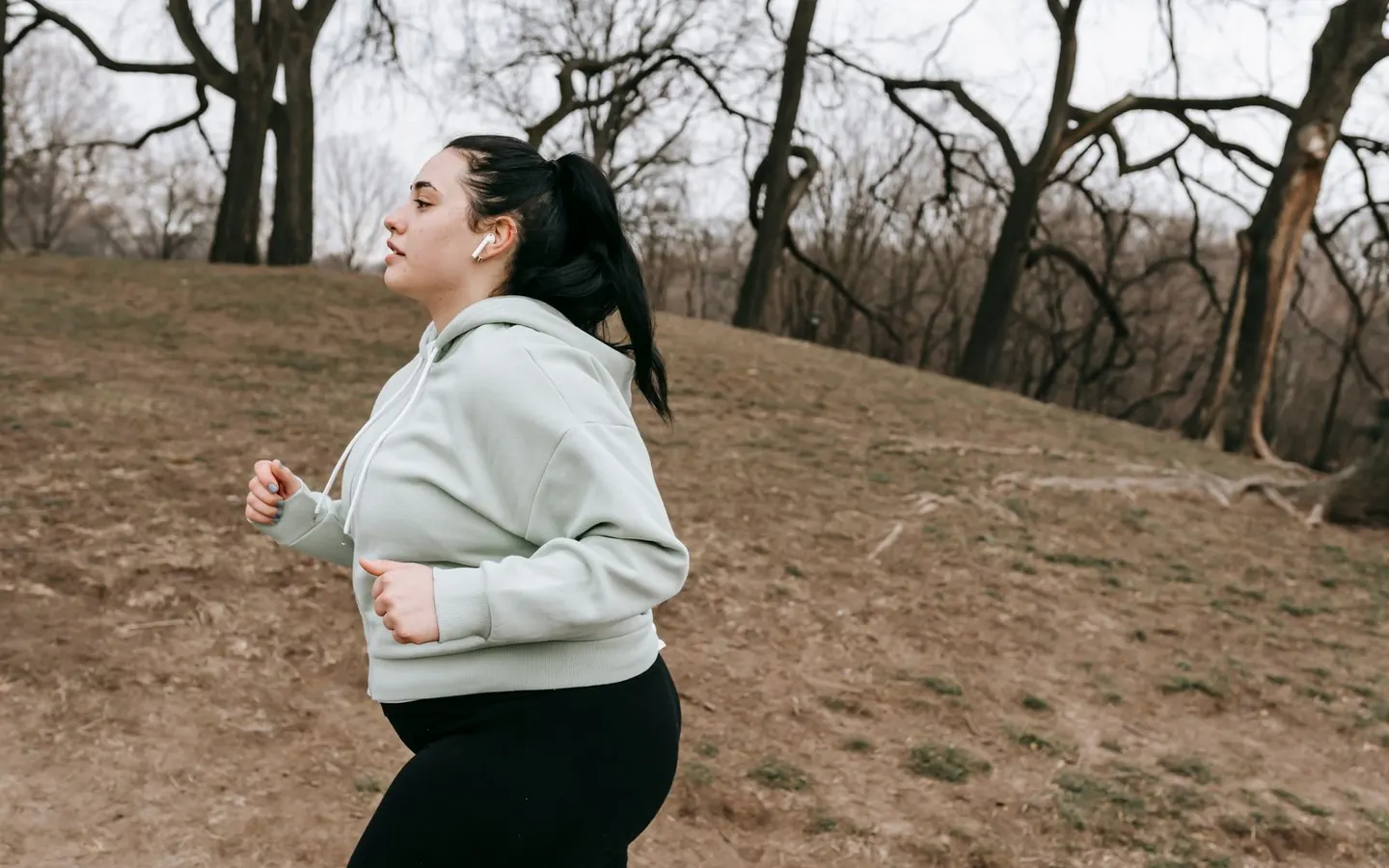
How to Build a Running Playlist That Feels Good from Start to Finish
Arrange familiar songs around the changing feel of a run, then refine tempo and transitions without rebuilding your whole library.
日本語版を読む →
What to know before you start
- Build a playlist around the changing feel of a run, not as a collection of fast songs.
- Similar BPM numbers can still feel different, so listen to the transition between tracks while moving.
- Start with six to eight familiar songs and make one small edit after each run.
Guide
Use the audience, preparation, steps, and common mistakes as a working checklist.
For
- Runners who skip too many tracks mid-run
- Anyone balancing tempo with mood and effort
You will need
- A planned run duration
- A playback setup you can operate safely
Common mistakes
- Stacking only high-intensity tracks
- Editing a playlist while moving
A playlist can contain all your favourite songs and still feel awkward on a run. The problem may not be the tracks themselves. A sudden change in tempo or energy can make your feet hurry or leave the next kilometre feeling flat. For How to Build a Running Playlist That Feels Good from Start to Finish, take one comparison condition from this point into the next run.
The opening minutes, the settled middle, and the tired final section ask for different things. Start with enough music for one ordinary run, then notice what happens when each song changes. Apply this evidence specifically to the next How to Build a Running Playlist That Feels Good from Start to Finish field test.
Decide the running time before counting songs
Define the session first: a 30-minute easy run at a comfortable, conversational effort, a 60-minute long run, or a short interval workout. Match the total playback time with five or ten minutes of margin so the playlist does not unexpectedly end or roll into unrelated music. You may find this useful note to revise the next How to Build a Running Playlist That Feels Good from Start to Finish setup rather than making a universal rule.
If you plan by distance, pace means the time you usually take per kilometre or mile. Use a recent pace to estimate duration, and prepare waiting or post-finish music separately. For How to Build a Running Playlist That Feels Good from Start to Finish, take one comparison condition from this point into the next run.
Give the opening, middle, and finish different jobs
A 30-minute run might include five minutes to warm up, 15 minutes steady, five minutes with optional energy, and five minutes to cool down. Write a simple intention for each section—settle, hold, lift, release—before choosing songs. Apply this evidence specifically to the next How to Build a Running Playlist That Feels Good from Start to Finish field test.
Starting with the most intense track can pull the pace up before your body is ready. A familiar, moderate opening song works better as a cue to begin moving.
Use BPM to narrow the list, not decide it
For a rhythm-focused run, choose music near your usual cadence. Our running BPM guide explains BPM as musical beats per minute and helps you find a starting range. Then listen for a clear pulse, sudden breakdowns, and shifts in perceived energy. You may find this useful note to revise the next How to Build a Running Playlist That Feels Good from Start to Finish setup rather than making a universal rule.
Two tracks with the same analysed BPM can feel very different. An 85 BPM song may also support 170 steps per minute when you place two steps within each beat.
A familiar song you enjoy can be more useful than a perfect number
A technically perfect playlist that you do not enjoy will not last. A useful starting mix is mostly familiar favourites with a smaller space for new discoveries. Save unfamiliar tracks for ordinary training before relying on them during a race or night run. For How to Build a Running Playlist That Feels Good from Start to Finish, take one comparison condition from this point into the next run.
Emotional associations matter too. A powerful song can help, but it can also take attention away from traffic or push a planned easy run into a harder effort.
Test the moment one song hands over to the next
Large jumps in volume or intensity can change your pace unexpectedly. Review adjacent tracks and use volume-normalization features where appropriate. When you depend on offline playback, download the list on Wi-Fi and test it without a data connection before leaving. Apply this evidence specifically to the next How to Build a Running Playlist That Feels Good from Start to Finish field test.
Use a fixed order when you want a designed progression. Shuffle works well when variety matters more than a precise warm-up and cool-down.
After the run, keep, move, or remove one track
Use three labels: keep, conditional, remove. Note tracks that caused an unwanted surge, made surroundings difficult to hear, or helped you settle late in the run. Give borderline tracks another test under similar conditions before deciding. You may find this useful note to revise the next How to Build a Running Playlist That Feels Good from Start to Finish setup rather than making a universal rule.
Your playlist is a working tool, not a finished product. Build a calmer alternative for darkness, busy routes, or recovery days, and read our safe running with music checklist before heading outside. For How to Build a Running Playlist That Feels Good from Start to Finish, take one comparison condition from this point into the next run.
Divide a 30-minute run into six jobs
Ten favorite songs in a row can create an early surge or finish before the route does. Build slots by purpose, then choose tracks.
Similar BPM does not guarantee a smooth transition. Volume, bass, vocal entry, and chorus intensity can make the next song feel much faster. Listen while seated to every opening, chorus, and ending; remove tracks that require mid-run volume changes. Test transition settings on the actual device because service behavior varies. Apply this evidence specifically to the next How to Build a Running Playlist That Feels Good from Start to Finish field test.
Apple Music listeners can compare one song at its original and a small tempo change using Beat Changer from wanway. Note sound, breathing, and movement. Do not force the whole list to one BPM; retain only changes that feel natural. For How to Build a Running Playlist That Feels Good from Start to Finish, take one comparison condition from this point into the next run.
Three steps before calling the playlist finished
- Make the list five to ten minutes longer than the planned outing.
- Preview every opening, chorus, ending, and transition in order.
- Test on a short safe route, record controls and surges, and change one song at a time. Apply this evidence specifically to the next How to Build a Running Playlist That Feels Good from Start to Finish field test.

Final playlist checklist
- [ ] Total duration is longer than the planned run
- [ ] Warm-up, cruise, harder work, and cool-down have clear roles
- [ ] Abrupt intros and endings have been previewed
- [ ] Offline playback and controls have been tested before leaving
- [ ] A quiet or no-audio option remains available
Frequently asked questions
Is How to Build a Running Playlist That Feels Good from Start to Finish suitable for beginners?
Yes, when used as a cautious experiment rather than a universal prescription. Change one condition at a time on a short, familiar route and stop for pain or unusual distress.
What should I record first?
Record distance, duration, perceived effort, environmental awareness and any moment when the music or equipment became distracting. That makes the next adjustment explainable.
Should I use the same setup on every run?
No. Recovery runs, steady sessions, long runs, weather and time of day create different needs. Save a small setup for each purpose and compare like with like.
What is the first safety priority when running with audio?
It is important to still detect traffic, other path users and official instructions. Lower or stop audio where risk rises, and follow local and event rules.
Do I need Beat Changer?
No. It is an optional tool for Apple Music users who want to compare small tempo changes in songs they already like. Leave the music unchanged when it already feels natural.
References
- Effects of music in exercise and sport: a meta-analytic review ↗Psychological Bulletin / PubMed · academic · accessed 2026-07-26
Features, rules and availability can change; check the linked primary source before acting.
- Music use in exercise: a questionnaire study ↗Frontiers in Psychology · academic · accessed 2026-07-26
Features, rules and availability can change; check the linked primary source before acting.
- How to create a playlist in Apple Music ↗Apple Support · official · accessed 2026-07-26
Features, rules and availability can change; check the linked primary source before acting.
- Create and edit playlists ↗Spotify Support · official · accessed 2026-07-26
Features, rules and availability can change; check the linked primary source before acting.
- Pedestrian Safety ↗National Highway Traffic Safety Administration · government · accessed 2026-07-26
Features, rules and availability can change; check the linked primary source before acting.
We prioritize official, academic, and primary sources and keep quotations to the minimum needed.